Focused arrival windows
Useful updates and clear arrival timing.
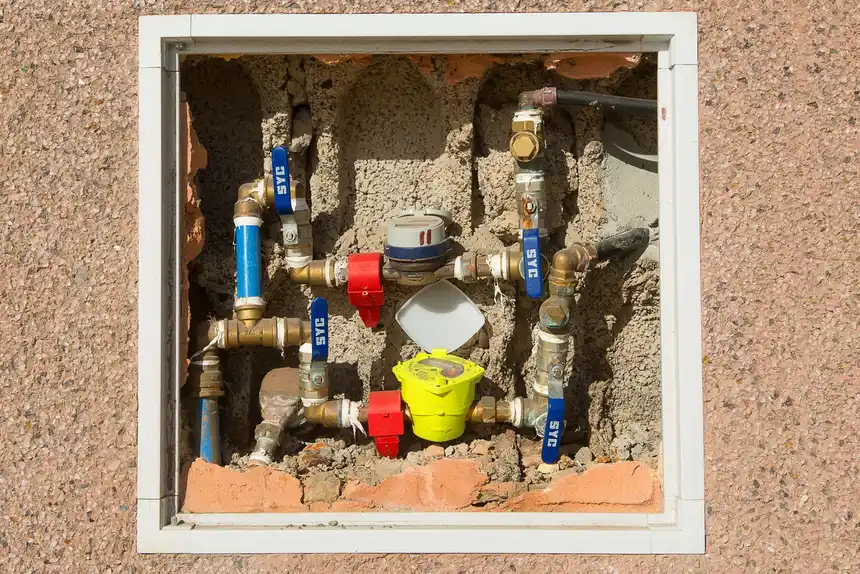
Repiping in York is for houses where the pipes themselves have become the problem: leaks in more than one room, repeated repairs on the same run or water that comes out discolored. We replace failing supply lines with new pipe, plan the route to limit wall damage and test the whole system. Call (717) 550-0504 to talk through your situation.
Useful updates and clear arrival timing.
Review the approach and price before deciding.
Equipped vehicles and respectful cleanup.
Neighbors serving neighbors with follow-through.
A repiping project covers inspecting the existing system, planning the route, installing new pipe and testing the result. Wall patching and painting after access openings are usually handled separately from the plumbing.
We assess the pipe material, its condition and the repair history to decide how much of the system needs replacement and which materials fit best.
We map where new lines will run, using basements and existing chases to limit wall openings and keep the work as clean as possible.
We install new supply lines to your fixtures, connect them to the main and add shut-off valves where they make future repairs easier.
We test the new lines under pressure before closing any wall so any weak joint is found and fixed while access is still open.
We explain which permit steps apply to your address and plan the project around them, so the work follows the rules that cover your property.
Share what is happening and receive a clear next step from the local team.
Repiping in York is a plumbing project that removes worn or failing water supply lines and installs new pipe to bring fresh water to your fixtures. It can cover a single worn branch, a whole floor or the entire house, depending on how widespread the problem is. Common replacement materials are copper and PEX, and the right choice depends on your house, your budget and how the pipe will be routed.
The reason to consider repiping is a pattern, not a single leak. One failed section after a freeze is a repair. Three leaks in two years on the same line is a sign that the pipe is wearing out. Other signs include low water pressure from internal buildup, rusty or discolored water and visible corrosion at joints. Before recommending replacement, we look at the pipe material, its condition and how often it has failed, so you spend money on repiping only when it actually solves something.
We look at the existing pipe material, the age and condition of the lines, the repair history and where leaks have appeared. This tells us whether a partial replacement or a full repipe is the right scope.
We map where new pipe will run, favoring basements, crawl spaces and existing chases to minimize wall openings. We also review the permit steps your address requires before work begins.
We run new pipe to each fixture, connect it to the main and set shut-off valves where they make sense. Work is staged so water can be restored to part of the house during the project whenever possible.
We pressure-test the new lines before walls are closed, and we inspect every joint. Finding a problem at this stage means fixing it in minutes instead of after the wall is repaired.
We reconnect fixtures, flush the lines and walk you through the finished work. We also identify access points and shut-off valves, so you know how to isolate each part of the system.
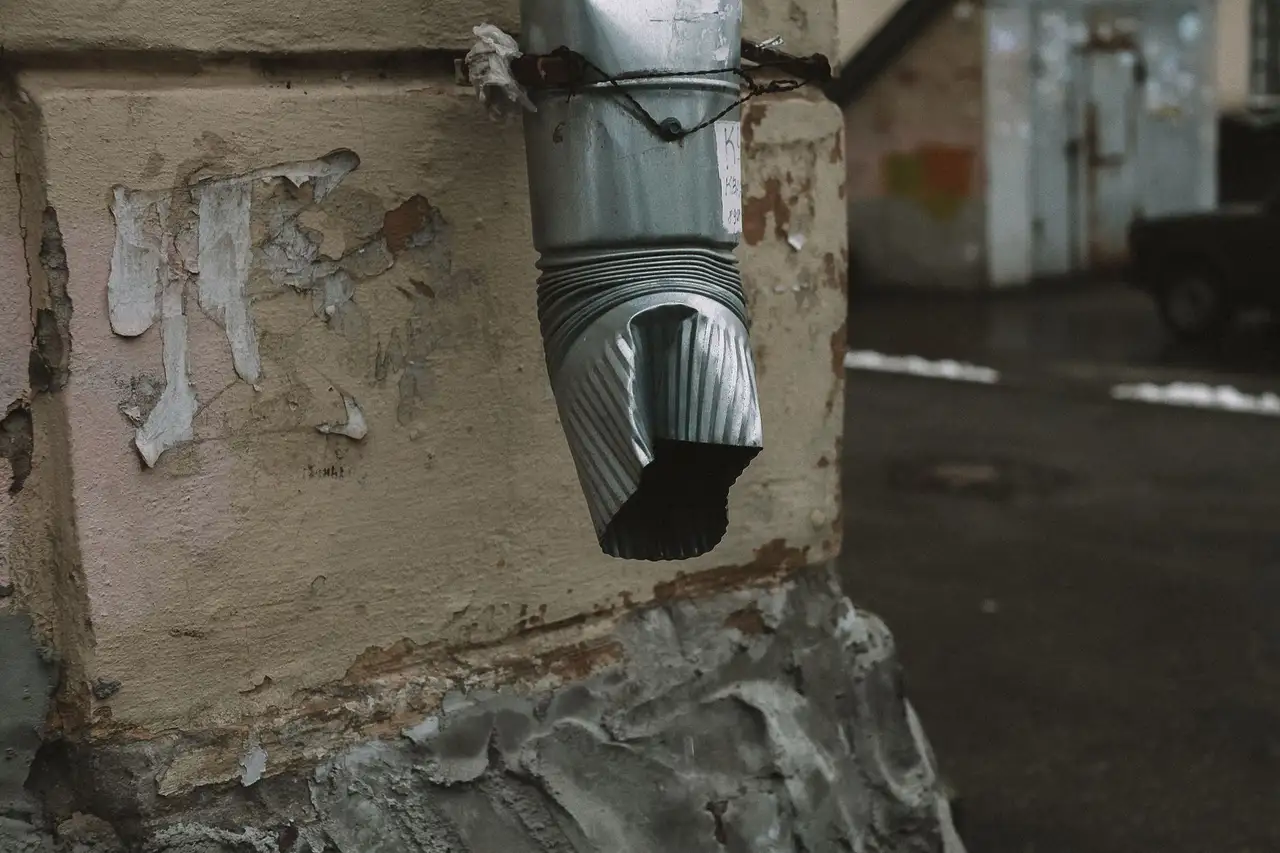
Make clean, square cuts on copper and PEX so every fitting seats correctly and joints seal.
Join PEX pipe with reliable mechanical connections that suit tight spaces and fast installation.
Joins copper with pressed fittings, which reduces open-flame work inside walls and floor framing.
Holds the new system under pressure so any weak joint shows up before walls are closed.
Lets us look into wall cavities and chases to plan the route without opening more of the wall than needed.
We replace only the runs that are failing when the rest of the pipe is sound. A full repipe is recommended when wear is widespread, not as a default.
We favor basements, crawl spaces and existing chases for new pipe. This limits demolition and shortens the project.
We pressure-test every new line while walls are open. Fixing a joint now costs minutes, while fixing it after patching costs a second round of wall repair.
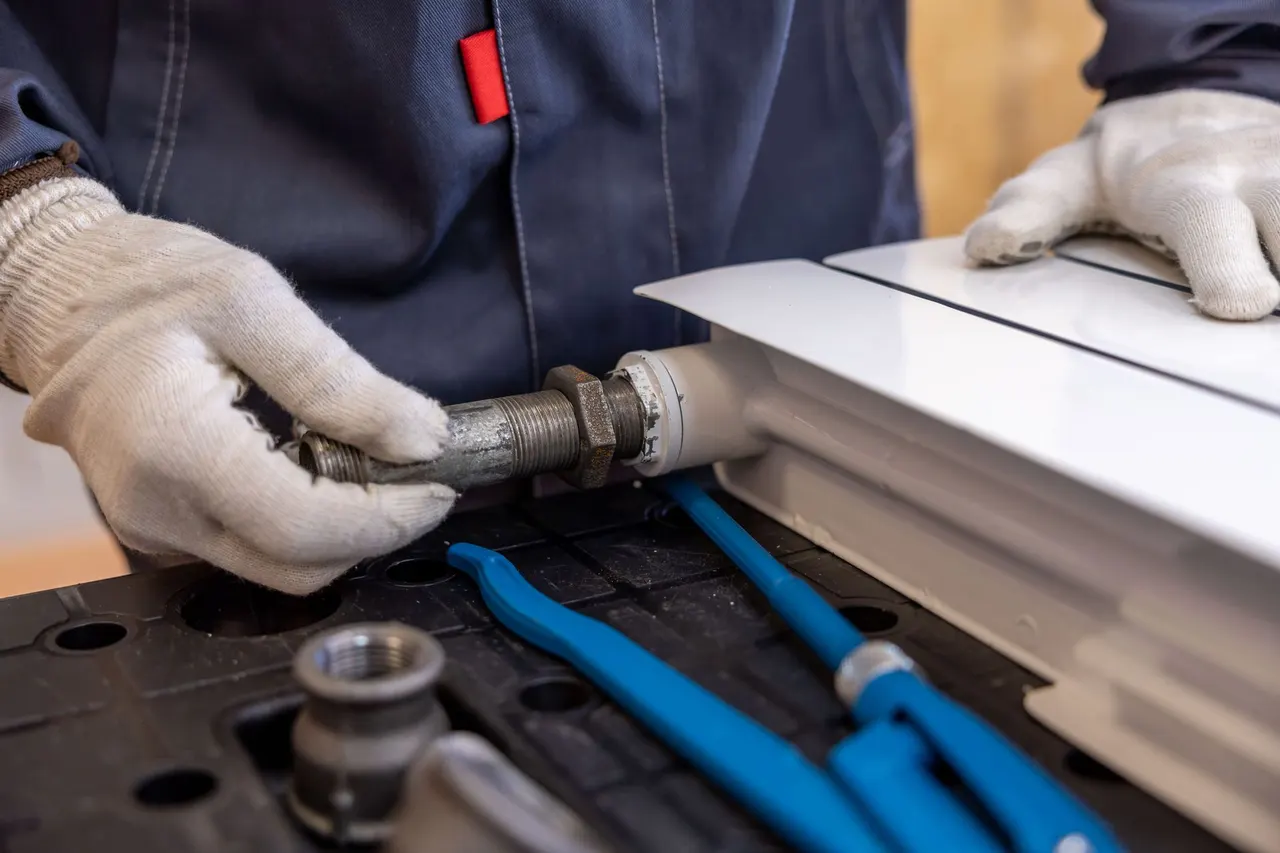
We inspect the line, confirm widespread wear and recommend replacing the run. We plan a route that limits wall openings and test the new line before closing walls. The cycle of repeat repairs ends, and the owner has a plan and a price for the replacement.
We evaluate the pipe condition, identify the narrowed or corroding sections and quote the replacement. We stage the work to limit disruption. Pressure and water clarity improve, and the landlord has fewer emergency calls.
We repair the emergency first, then review the condition of the run. If it is near the end of its life, we plan replacement. The emergency is solved now, and the owner can plan the larger fix instead of waiting for another failure.
Repiping in York starts with the house, since pipe material, layout and access vary from one property to the next. Homes with unfinished basements or crawl spaces are easier to repipe because new lines can run in open framing, while finished spaces need more planning. Permits matter more for repiping than for a small repair. The City of York states that routine maintenance generally does not need a permit but constructing, altering or removing work likely does, and plumbing permit applications there are submitted online by appointment, with a City of York plumber's license required first. Spring Garden Township takes building permit applications at its administration office and notes that plumbing changes are not exempt from permitting. York Township uses a plumbing permit application with a license number field and lateral rough-in and slab final inspections for sewer work. We confirm what applies before the work starts. Long-tail questions like how much repiping a house in York costs have no single answer, because scope and access drive the price.
Plumbing changes are not exempt from the township's permit requirement, so repiping plans account for the building permit application.
The township's plumbing permit form asks for the plumber's license number, so project planning includes permit paperwork.
Residential permit forms ask plumbing contractors for a township registration number, which is part of planning repiping there.
Each office handles plumbing permits differently, so we confirm which applies to your address before repiping begins.
Open basements and crawl spaces make repiping simpler, while finished walls require more planning and patching afterward.
A supply line has been repaired three times, and a new stain has appeared on the ceiling. The pipe shows corrosion at several joints.
The worn run is replaced with new pipe and tested under pressure before walls are closed. The leaks stop, and the water holds pressure.
Maintenance: Check the area for stains after the first few weeks and note the shut-off valve locations for future reference.
Pressure at the showers has fallen over time. Inspection shows narrowing from buildup inside older pipe.
The narrowed sections are replaced and flow improves at the fixtures. The system passes a full pressure test.
Maintenance: Note flow at each fixture after the project and tell us if any area still seems weak.
Several faucets run rusty at first draw. Inspection finds corroding sections on an older run.
The corroding run is replaced and the lines are flushed. Water clarity improves at the affected fixtures.
Maintenance: Run each tap for a short time after the project, and let us know if discoloration returns.
Repiping in York is the answer to a few specific problems. When these show up together, patching one section rarely fixes the root issue.
Repeated leaks signal a wearing pipe, and each new failure can cause water damage before it is noticed. We evaluate the full run and recommend replacing the failing sections. New pipe ends the cycle of repairing one leak after another.
Internal corrosion and buildup narrow the pipe, reducing flow to showers and appliances. We inspect the lines for restriction and replace the narrowed sections. New pipe restores the full inside diameter and brings back flow.
Corroding pipe can shed particles into your water, staining fixtures and making the water unpleasant to use. We check whether the pipe is the source and replace corroding runs where they are the cause. We also tell you when something else may be responsible.
Quoted per project after inspection
Repiping in York is quoted per project, since size, access and materials differ widely. In 2026 pricing, the biggest factors are how much pipe is replaced, how hard it is to reach and which material is used. We give you a price after inspecting the house, not before.
Repiping costs more than a single repair, but it can end a pattern of repeat failures and emergency calls.
Replacing one failing run costs less than replacing the whole system, so the first step is deciding how much really needs to go.
Open basements and crawl spaces make installation simpler. Finished walls need more careful routing and patching.
Copper and PEX have different material and labor profiles, and the choice affects the total price.
More fixtures mean more connections, and replacing old shut-offs adds parts and time but improves control.
Permit applications and inspections can add time and fees, depending on the municipality that covers your address.
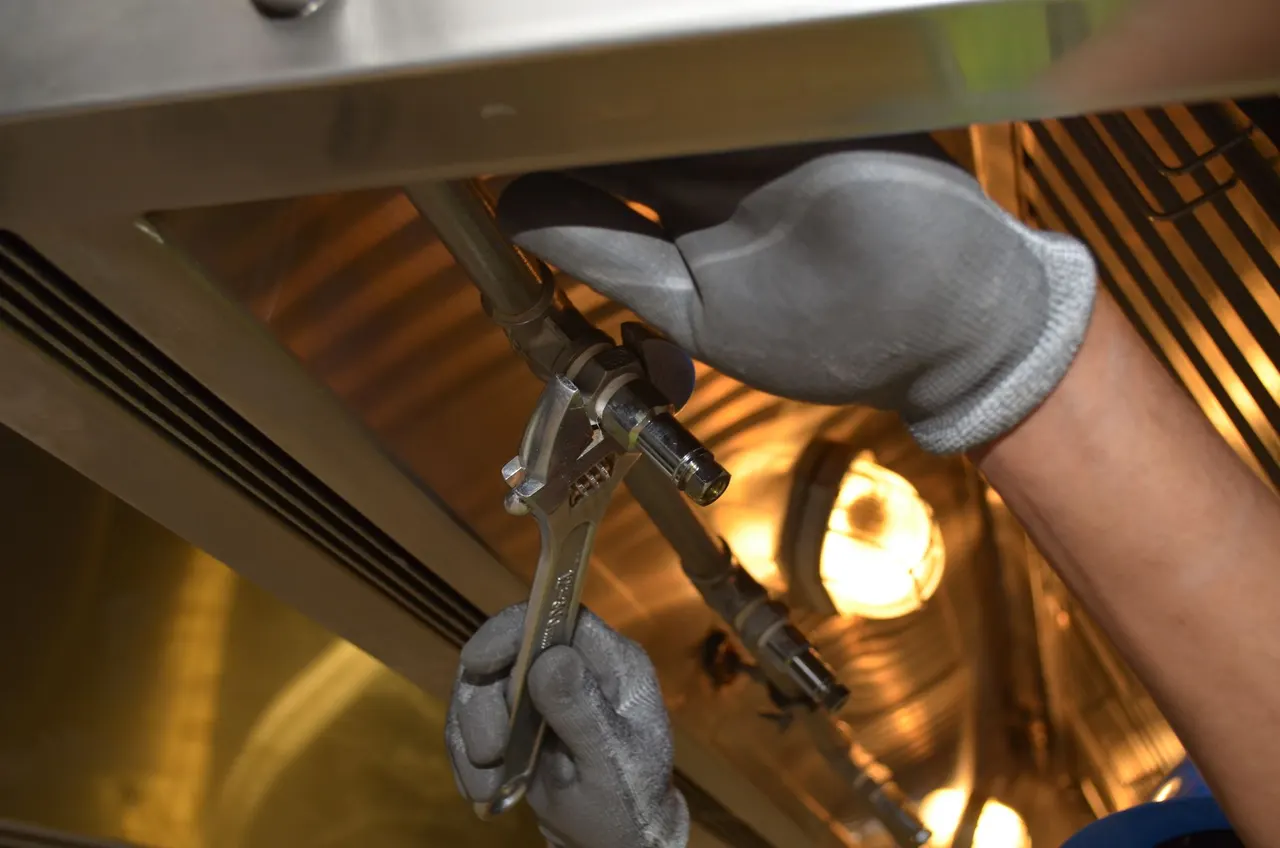
The hard part of repiping is not the installation. It is deciding when the project is worth doing. Replacing pipe that still has good life left wastes money, and patching pipe that is failing wastes it too. We look at the evidence: repair frequency, visible corrosion, pressure problems and how the pipe is behaving, and we give a straight recommendation based on that.
Repeated leaks on the same line, visible corrosion, low water pressure and rusty water are the main signs. One leak after a freeze is usually a repair, not a reason to repipe. We inspect the pipe and your repair history to tell whether replacement will actually solve the problem.
A partial repipe can take a day or two, while a whole-house project takes longer and depends on the size of the house and how accessible the pipes are. We give you a time estimate once we have seen the layout, and we try to keep water available during the project.
Repiping alters the plumbing system, so it generally falls on the permit side of the line. The City of York says routine maintenance usually does not need a permit, while altering work likely does. Permit rules differ by municipality, so we confirm what applies to your address.
Both work well in residential repiping, and the better choice depends on your house and budget. Copper is rigid and long established, while PEX is flexible and easier to route through tight spaces. We explain the trade-offs and recommend the one that suits your layout.
Not seeing your question? Our local team can help you understand urgency, scheduling and what to expect.
Ask the local team
A burst pipe can be the event that makes you consider repiping. If the failed pipe is old and worn, we repair the emergency first and then talk through replacement.
View serviceIf the same exposed run keeps freezing, rerouting or replacing it during a repipe can solve the problem for good instead of insulating it every winter.
View service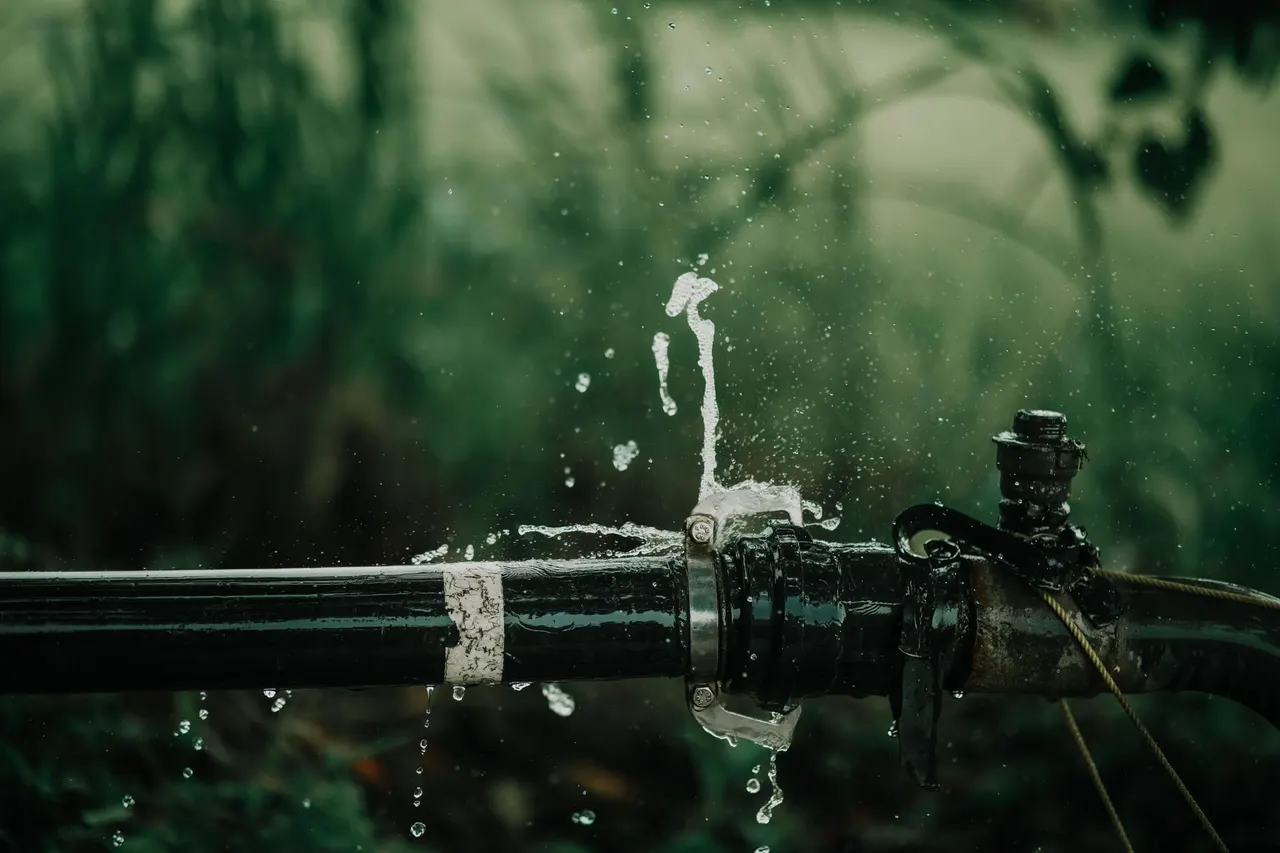
Single, isolated leaks are repaired without replacing everything. If leaks keep showing up in different spots, a leak repair visit may turn into a repiping recommendation.
View serviceA repipe is a good time to replace old valves. New shut-offs at key points make it easier to isolate a section for future repairs.
View serviceCall (717) 550-0504 and tell us what you are seeing: where the water is, what the pipe is made of and whether you have shut off the main. The sooner we know, the sooner we can plan the repair. We serve York and the surrounding townships in York County, Pennsylvania.