Focused arrival windows
Useful updates and clear arrival timing.
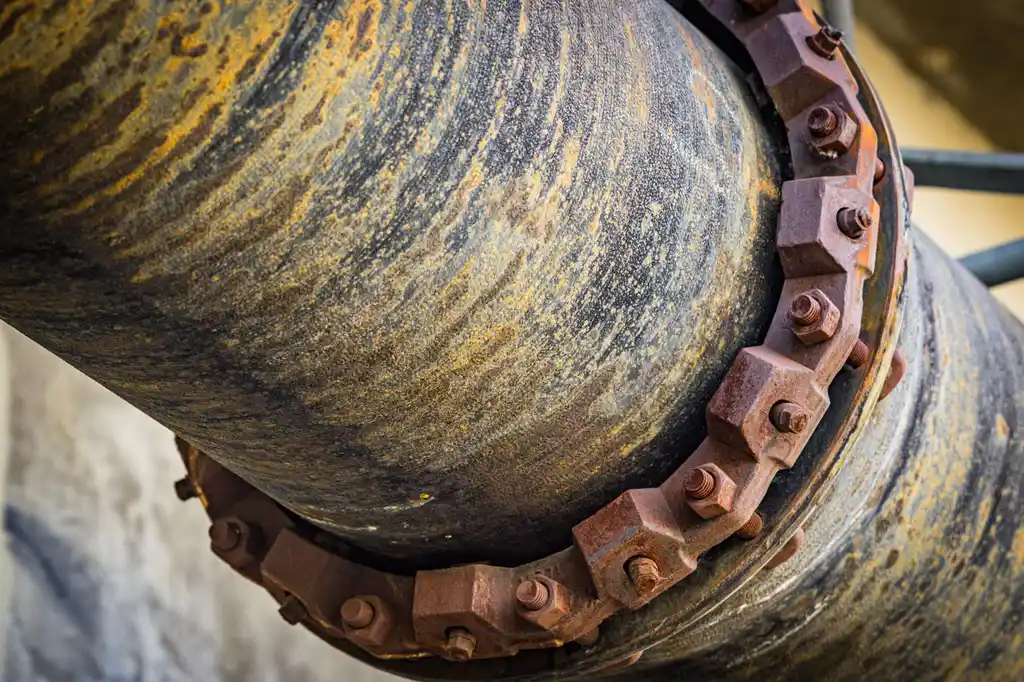
Broken Shut-Off Valve Repair in York is for the valve that will not turn, drips at the handle or snapped off in your hand. Whether it sits under a sink, behind a toilet or at the main, a bad valve leaves you with no quick way to stop water. We replace it with a new valve and test it. Call (717) 550-0504.
Useful updates and clear arrival timing.
Review the approach and price before deciding.
Equipped vehicles and respectful cleanup.
Neighbors serving neighbors with follow-through.
Valve repair covers identifying the failed valve, isolating the water, replacing the valve and testing it. If surrounding pipe is damaged, repairing it is part of the visit. Cabinet or wall repairs are separate.
We identify the valve type, the pipe material and the location, so the replacement matches the pipe and the way the valve is used.
We close the closest upstream valve or the main, so the old valve can be removed on a dead line without flooding the work area.
We remove the failed valve carefully to avoid stressing the pipe, cutting back to sound material where corrosion is present.
We install a new, correctly sized quarter-turn valve with proper fittings, then check for any weeping at the connections.
We open and close the valve several times, check for drips and show you its location and how it works so you can use it with confidence.
Share what is happening and receive a clear next step from the local team.
Broken Shut-Off Valve Repair in York is a plumbing service that replaces a failed valve so you can stop water to a fixture or the whole house on demand. Shut-off valves are rarely used, so they sit for years while mineral deposits and corrosion build up inside. When you finally need to close one, the handle may refuse to turn, spin without doing anything or break off. A valve can also fail the other way, leaking around the stem or failing to seal.
There are two main kinds of shut-off in a home. Fixture valves, often called angle stops, sit under sinks and behind toilets and control one fixture. The main shut-off controls water to the entire house, and it is usually found where the water line enters the home, often near the meter. Older multi-turn gate valves tend to seize, while newer quarter-turn ball valves are easier to operate and more dependable. Which one you have decides the repair, and whether the water has to be shut off at the street side first.
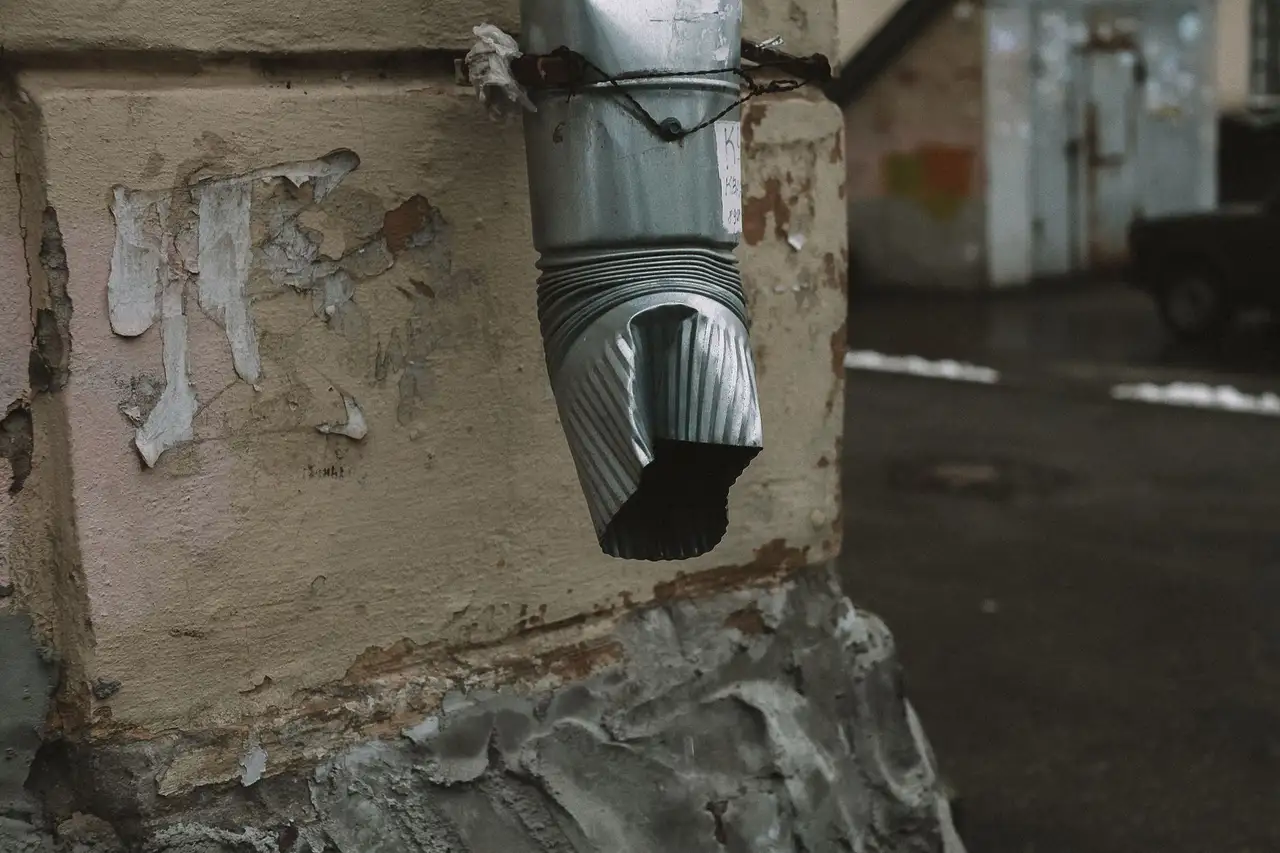
We look at the valve type, the pipe material and the location. That tells us whether it is a fixture stop, a main valve or an outdoor spigot, and what replacement parts and method fit.
For a fixture valve, we close the main or the nearest upstream valve. If the main itself has failed, we use the utility shut-off outside, so the repair can be done on a dead line.
We cut out or unthread the failed valve carefully to avoid stressing the pipe. Corroded valves often need clean cuts back to sound pipe so the new valve seats properly.
We fit a new quarter-turn valve sized to the pipe and connect it with the right fittings. Where possible, we choose a full-port valve so water flow is not restricted.
We turn the water back on slowly, check for drips and open and close the valve a few times. Then we show you how it works and where it is so you can find it fast.
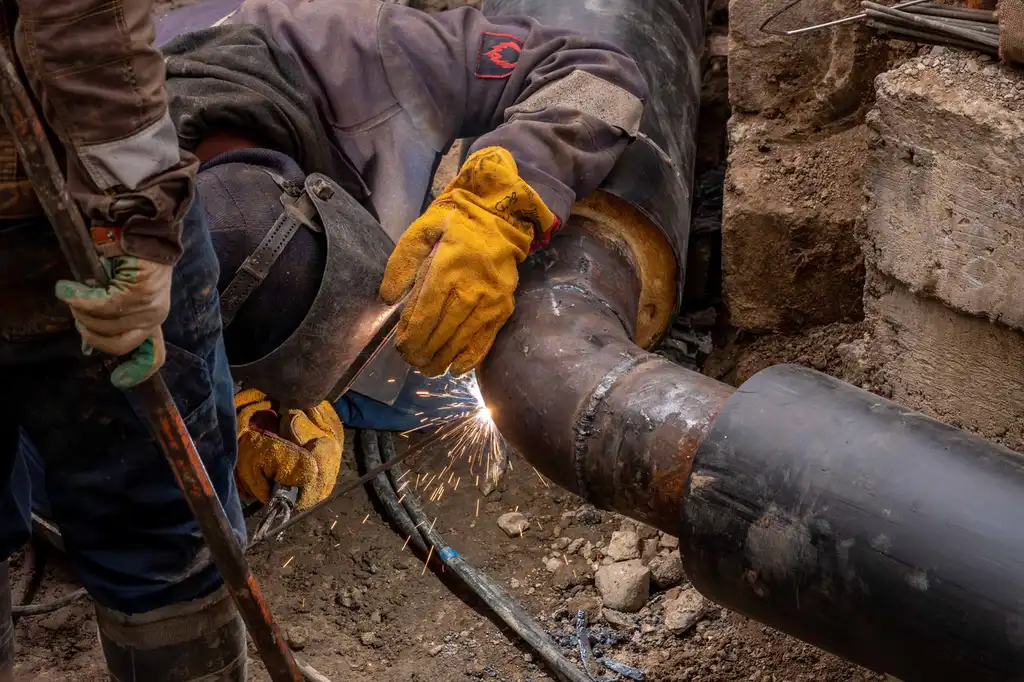
Make clean cuts on copper or PEX so a new valve connects squarely and seals without leaks.
Loosen and tighten valves and fittings in tight spaces such as under sinks and behind toilets.
Replace stiff multi-turn valves with a design that shows open or closed at a glance and resists seizing.
Connect new valves to supply lines and pipe in tight spaces without open flame near framing.
Help us see corrosion and leaks behind and beneath fixtures before and after the repair.
We shut off upstream before removing a valve so the repair is controlled and does not release water into the work area.
A worn valve usually fails again if it is rebuilt. We replace it with a new valve so the result is dependable.
We open and close the new valve several times and check each connection for drips so you can trust it when it matters.
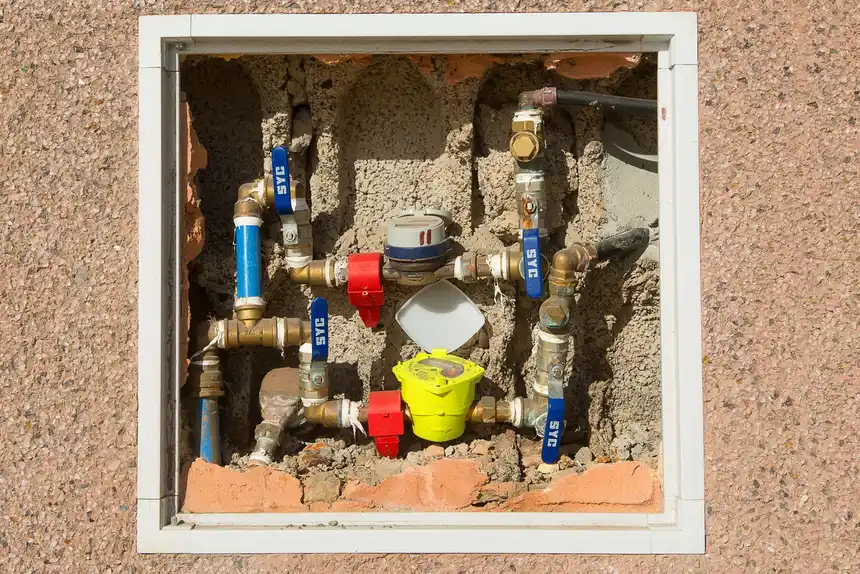
We close the main, remove the seized valve and install a new quarter-turn stop. We reconnect the supply line and test for drips. The leak is gone, and the toilet can be isolated in seconds next time.
We isolate the house using the utility shut-off, replace the broken main valve and test it. We show you how it works. You have a main shut-off that closes fully, ready for the next emergency.
We replace the failing valves in one visit and test each. We note any that are close to failing. The property has working valves at each fixture, which cuts down on future emergency calls.
Valve repair in York often starts with the main. York Water's guidance says the main shut-off is usually near the meter or where the line enters the home, and that York Water owns the meter itself. That means the valve on your side of the meter is your responsibility, while the meter and its connections belong to the utility, and we do not touch the meter. Because many homes here have unheated basements and garages, valves in cold spaces can crack when frozen, so we check them after a hard freeze. A small valve replacement under a sink is routine maintenance in most cases, and the City of York says routine maintenance generally does not need a permit, while altering piping likely does. We confirm anything unclear with the office that covers your address. People often ask how to find the water shut-off in a York home. Start where the line enters the house, usually near the meter.
Homes with outdoor spigots and garage supply lines have valves that are exposed to cold, so freeze checks matter after a hard winter.
Rental properties here often have older fixture valves that have not been turned in years, which makes them prone to seizing.
Finished basements can hide the main shut-off behind storage or paneling, so we help locate and clear access to it.
York Water owns the meter, so the valve on your side is the one we replace. We leave the meter and its connections to the utility.
Valves in garages, crawl spaces and exterior walls can crack during hard freezes, so we inspect them after cold snaps.
The valve behind the toilet will not turn, and the supply line drips. Any repair requires shutting off water to the whole house.
The old valve is replaced with a new quarter-turn stop. The supply line is reconnected, tested and dry, and the valve turns easily.
Maintenance: Turn the valve off and on once or twice a year so it does not seize again.
The main valve handle spins freely and does nothing. A pipe failure would have no quick way to stop the flow.
The house is isolated, the main valve is replaced and tested. The valve closes fully and water is restored.
Maintenance: Make sure everyone in the house knows where the main valve is and how it turns.
The sink valve drips at the stem, leaving the cabinet floor damp. The cabinet base has begun to swell.
The valve is replaced and the connections checked. The cabinet floor stays dry, and the swollen section is flagged for replacement.
Maintenance: Check under the sink monthly for moisture and replace any swollen cabinet material.
Broken shut-off valve repair in York solves a handful of common headaches. Each leaves you with less control over your water than you need.
A stuck valve means you cannot isolate a fixture, so any leak at that fixture forces you to shut off water to the whole house. We replace the seized valve with a new quarter-turn stop and test it. You can then isolate that fixture without disrupting the rest of the house.
A drip at the stem is a continuous leak that stains cabinets and can rot the floor of the cabinet over time. We replace the leaking valve and check the surrounding pipe for damage. The new valve stops the drip and keeps the cabinet dry.
A main valve that will not close leaves you with no way to stop water to the house in a burst pipe emergency. We replace the main valve, using the utility shut-off outside if needed to isolate the house. You get a new valve that closes fully and operates smoothly.
Quoted per job after inspection
Broken shut-off valve repair in York is quoted per job. A single fixture valve is a quick replacement, while a main valve or several valves take more time. In 2026 pricing, the biggest factors are which valve is failing, how easy it is to reach and whether the surrounding pipe is in good shape.
A working valve is inexpensive protection. Replacing it before a failure can save you from the cost of water damage when a pipe lets go.
A fixture valve under a sink is simpler than a main shut-off, which may require isolating the house and working on larger pipe.
A valve in an open basement is simple to reach, while one behind a wall or cabinet takes more time.
If corrosion has spread to the pipe, we may need to replace a short section so the new valve connects to sound material.
Replacing several valves in one visit is more efficient than coming back for each one separately.
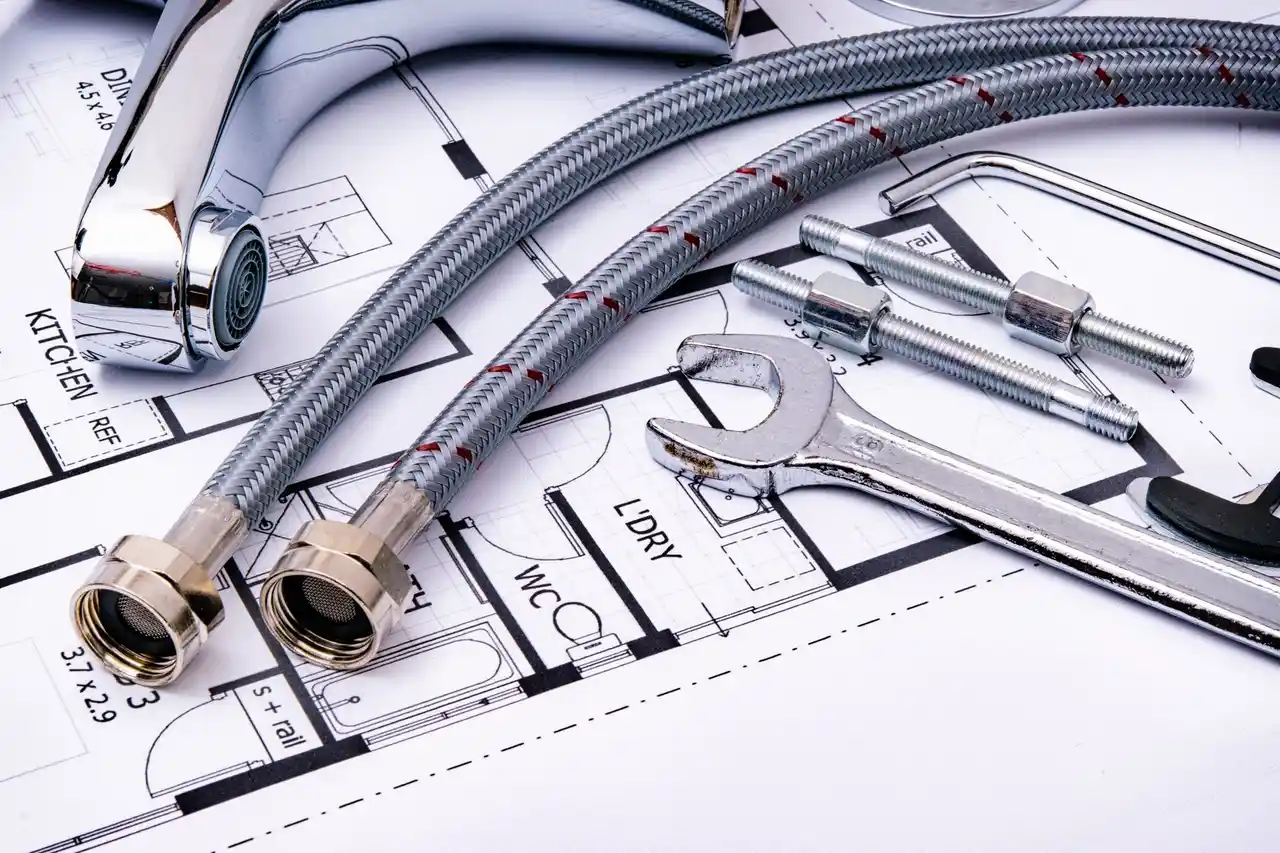
Valves fail in predictable ways. A seized handle usually means mineral buildup inside. A leak at the stem points to worn packing. A valve that spins freely has a broken stem. A snapped-off handle often means someone forced a stuck valve. Each failure points to replacement, and knowing which type you have helps choose a replacement that will not fail the same way.
Mineral deposits and corrosion inside the valve are the usual cause, especially if it has not been used in years. Forcing it can break the stem or crack the pipe. If a valve will not turn easily, have a plumber replace it instead of fighting it.
There is no fixed schedule, but valves that are stiff, leak at the handle or are never exercised should be replaced. Turning fixture valves off and on a couple of times a year helps them keep working. A valve that will not move is already failing.
It is usually where the water line enters your home, often in the basement or utility area near the meter. Some homes also have a valve at the meter pit outside. Knowing the location ahead of time saves precious minutes when a pipe fails.
Not usually. The water has to be off to the section being repaired. For a fixture valve, we close the main or an upstream valve. If the main valve is the one that failed, we need the utility shut-off outside to isolate the house.
Not seeing your question? Our local team can help you understand urgency, scheduling and what to expect.
Ask the local team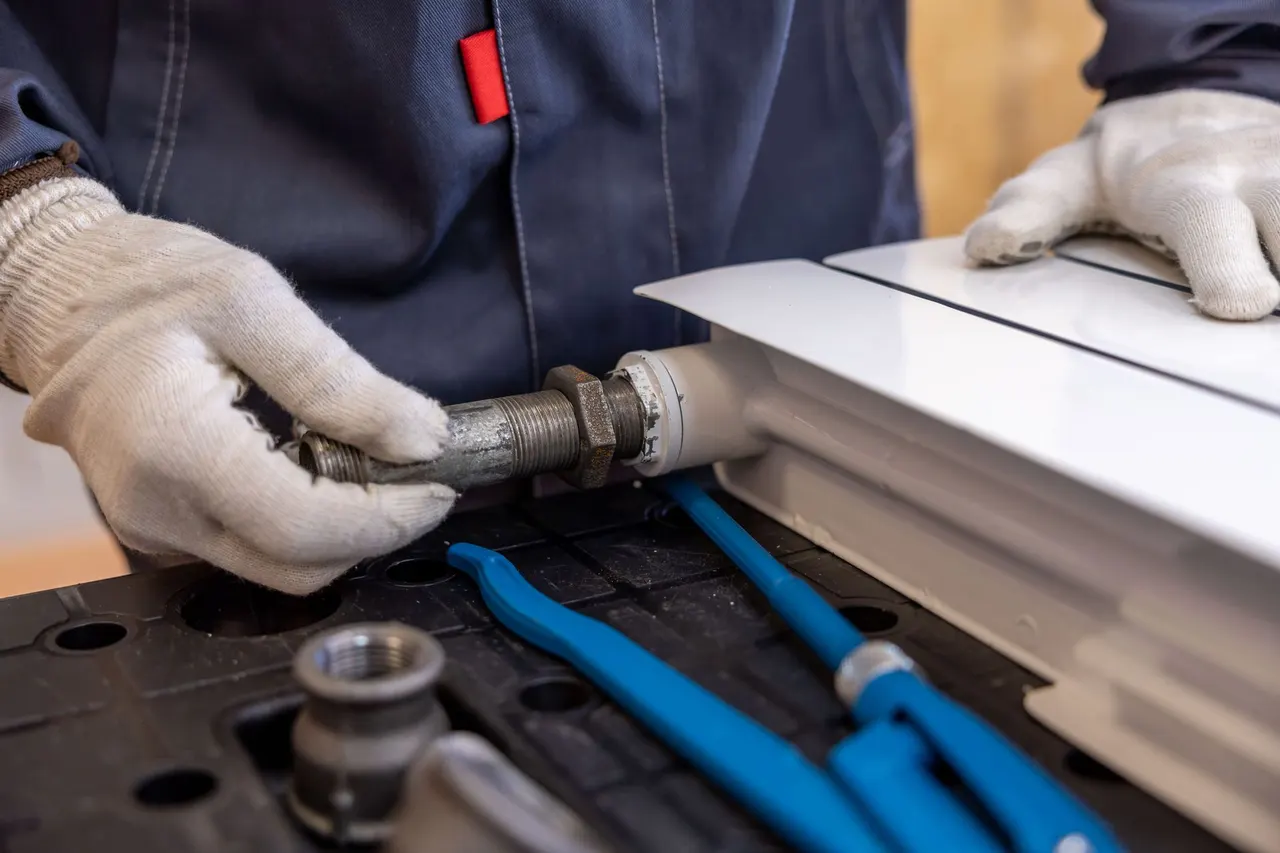
A valve that will not close can turn a pipe failure into a larger flood. If water is already running, we handle the burst repair and replace the valve at the same time.
View serviceOutdoor spigots and exposed valves are common freeze victims. We thaw the line, check the valve for cracks and replace it if the freeze damaged it.
View service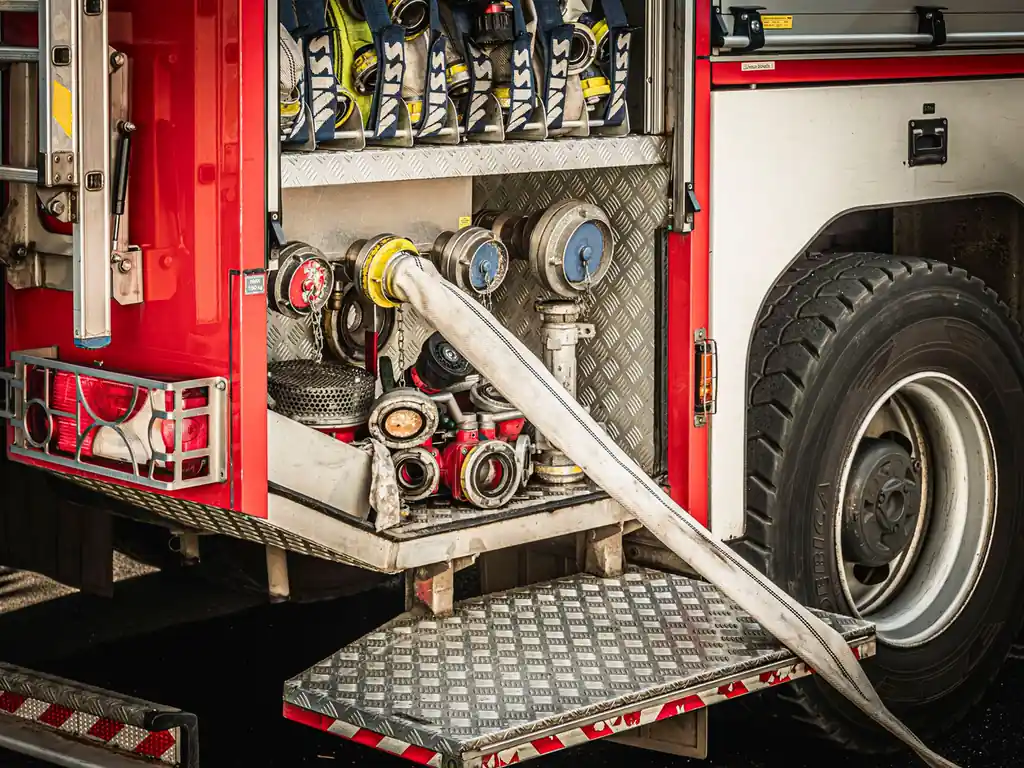
A weeping valve is a leak that stains cabinets and floors. Replacing the valve fixes the leak and avoids water damage underneath.
View service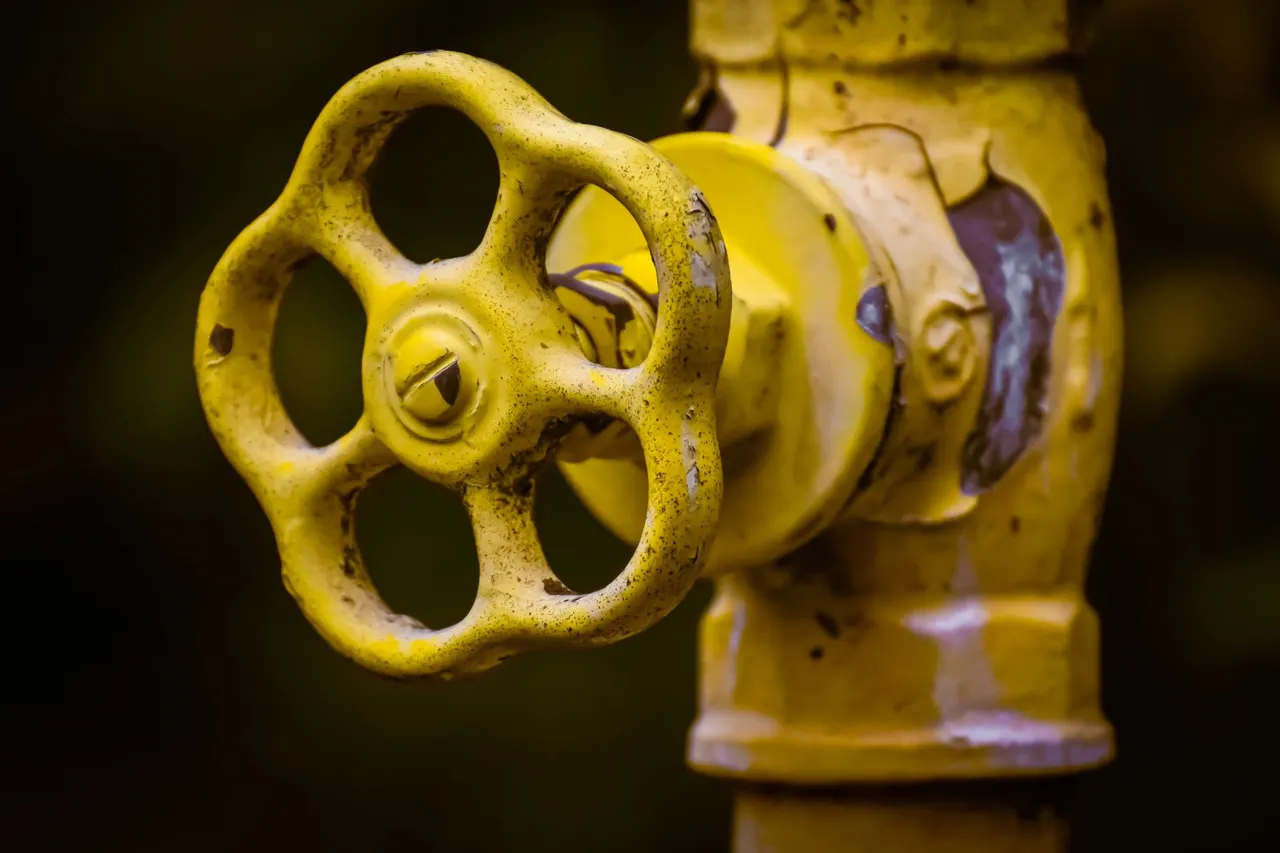
A repiping project is the ideal time to install new shut-off valves at key points, giving you better control of the system for future repairs.
View serviceCall (717) 550-0504 and tell us what you are seeing: where the water is, what the pipe is made of and whether you have shut off the main. The sooner we know, the sooner we can plan the repair. We serve York and the surrounding townships in York County, Pennsylvania.