Focused arrival windows
Useful updates and clear arrival timing.
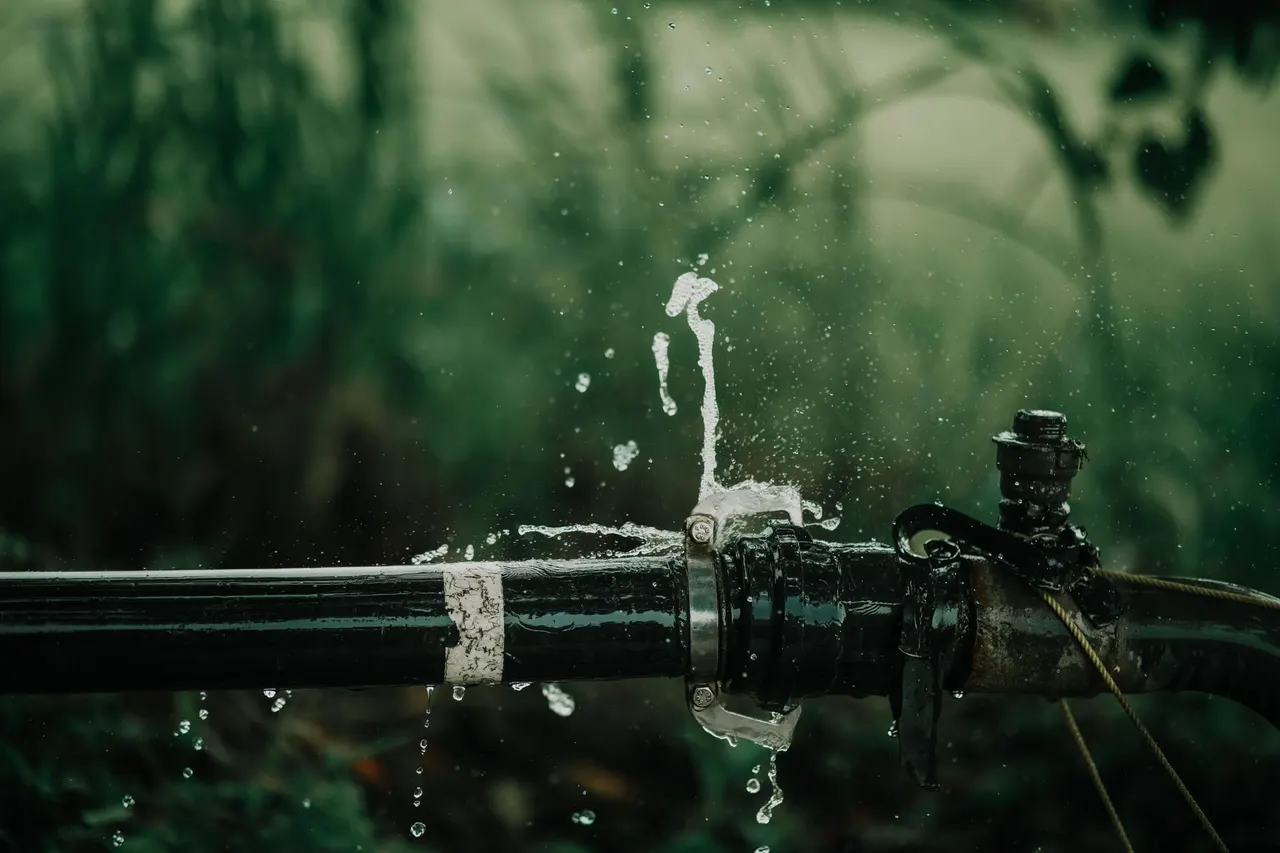
Frozen Pipe Repair in York is for the morning your faucet gives you a trickle or nothing at all after a cold night. A frozen line is a warning: the pipe may be fine, or it may already be cracked and waiting to leak. We thaw it safely, inspect the run and protect it, so you are not facing a flood. Call (717) 550-0504.
Useful updates and clear arrival timing.
Review the approach and price before deciding.
Equipped vehicles and respectful cleanup.
Neighbors serving neighbors with follow-through.
Frozen pipe repair covers locating the freeze, thawing it safely, checking for cracks and restoring water. If a pipe cracked, repairing that section is part of the same visit. Wall or ceiling finishing after access work is usually handled separately.
We trace the loss of water to the frozen section by checking which fixtures are affected and inspecting exterior walls, basements, garages and crawl spaces for cold or frosted pipe.
We warm the pipe gradually using safe methods, working from the open faucet toward the blockage so melting water has a path out and the pipe is not overheated.
As the line thaws, we check each section for drips, bulges and hairline splits. Finding damage with the water still off prevents a sudden leak when flow resumes.
If any section split, we cut it out and replace it with new pipe and fittings, then test it under pressure before restoring normal water service.
We identify why that run froze and suggest practical protection, such as insulation or heat cable, so the same pipe is less likely to freeze the next time.
Share what is happening and receive a clear next step from the local team.
Frozen Pipe Repair in York is a plumbing service that restores water flow to a line blocked by ice, checks the pipe for cracks and corrects the exposure that let it freeze. Water freezes at 32 degrees Fahrenheit and expands about 9 percent as it turns to ice. That expansion builds pressure in the pipe, and the crack often forms in the section next to the blockage, not at the ice itself.
The reason this service exists as its own job is timing. A pipe that is frozen but not yet cracked can often be saved, and a quick, controlled thaw is the best chance of that. Once the ice melts, any crack starts leaking, which is why we thaw with the water shut off at the main and watch the line as it warms. If you have no water or only a slow trickle from a faucet after a hard freeze, treat it as a frozen pipe and call.
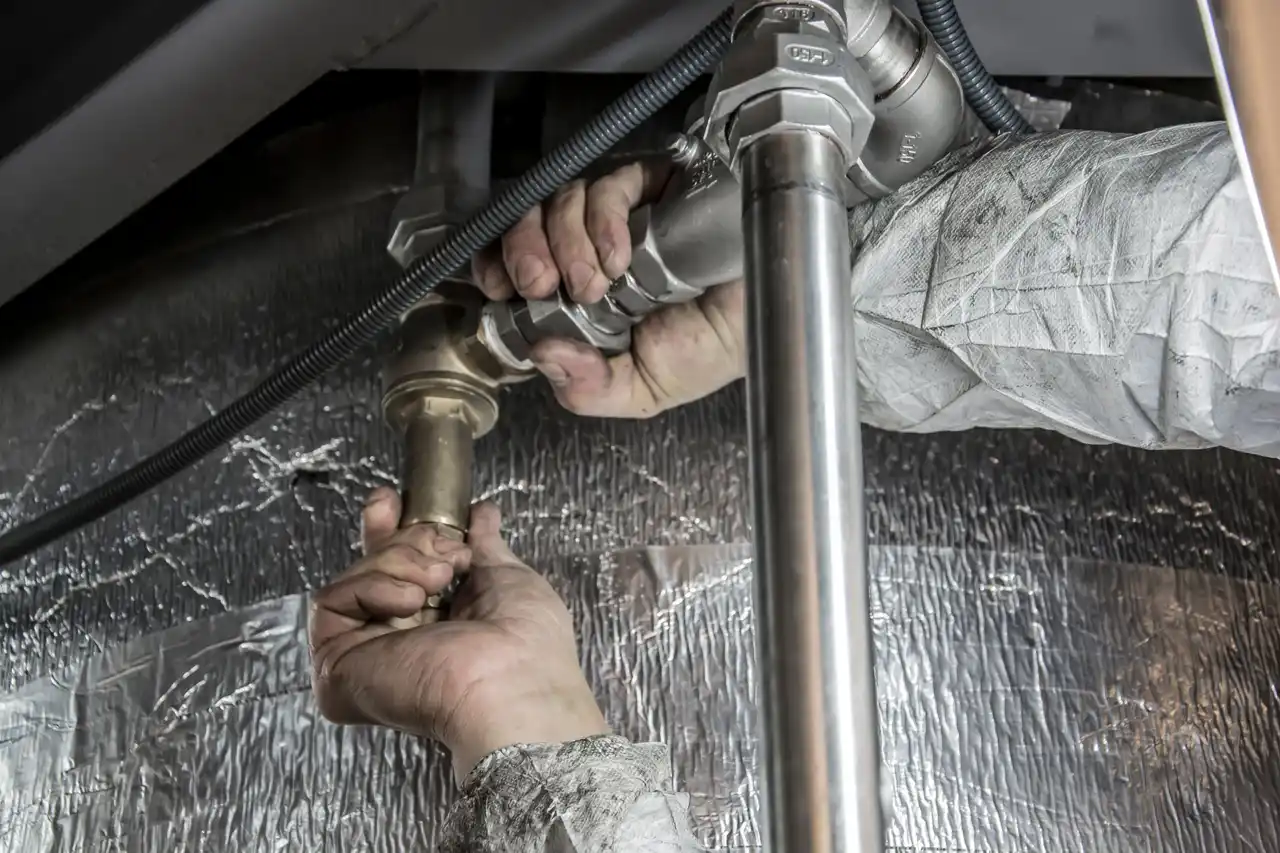
You close the main valve with our help, and we ask which faucets are affected. Knowing which fixtures have no water tells us roughly where the ice sits and which run to inspect first.
We look at exterior walls, unheated basement runs, garage supply lines and crawl spaces. Cold-to-the-touch sections and frost on pipe surfaces point to the blocked area.
We apply gentle, controlled heat starting from the faucet side and working toward the blockage, so melting water can escape. We never use open flame, and we keep the main off until we have inspected.
As each section thaws, we check for drips, bulges and hairline cracks. Any damaged section is cut out and replaced before the water is turned back on.
We restore water slowly, test each fixture and inspect joints under pressure. Then we point out the cold spot and advise on insulation or heat cable so the pipe is less likely to freeze again.
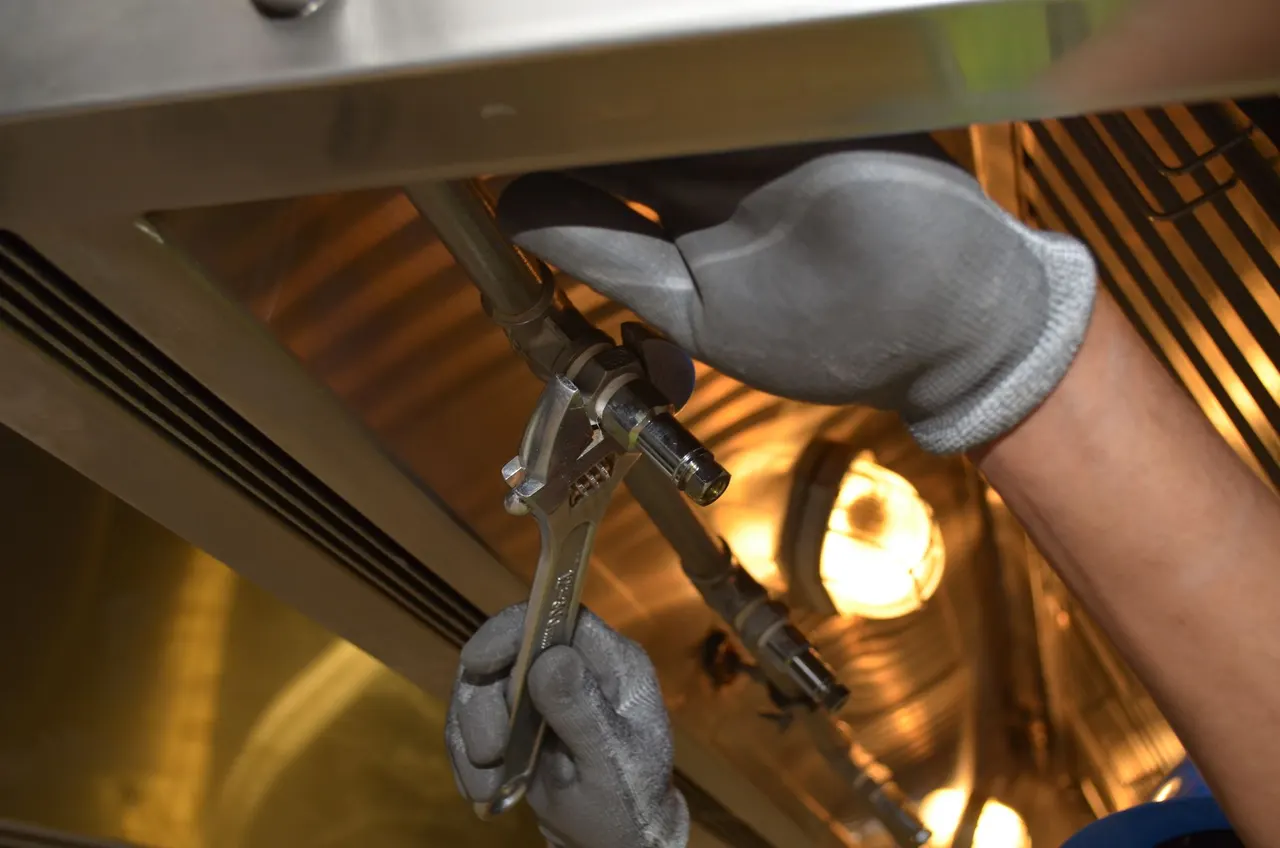
Provides controlled heat to frozen lines so ice melts gradually without open flame or overheating the pipe.
Reads surface temperature along the pipe so we can find the coldest section and confirm when the line has warmed.
Shows cold spots behind finished surfaces, which helps trace a frozen run through a wall without opening it blindly.
Make clean cuts when a cracked section must be removed, so new pipe and fittings seat and seal correctly.
Protect exposed runs in unheated spaces so the same pipe is less likely to freeze at the next hard freeze.
We keep the main closed while thawing so any crack leaks into a dry line, not a pressurized one. We restore water only after inspecting the thawed section.
Heating from the open faucet toward the blockage gives melting water and steam a path to escape, which reduces pressure on the pipe as the ice clears.
After repair, we recommend insulation or heat cable on the exposed run, and we advise sealing drafts that reach pipes. Prevention is part of the job.
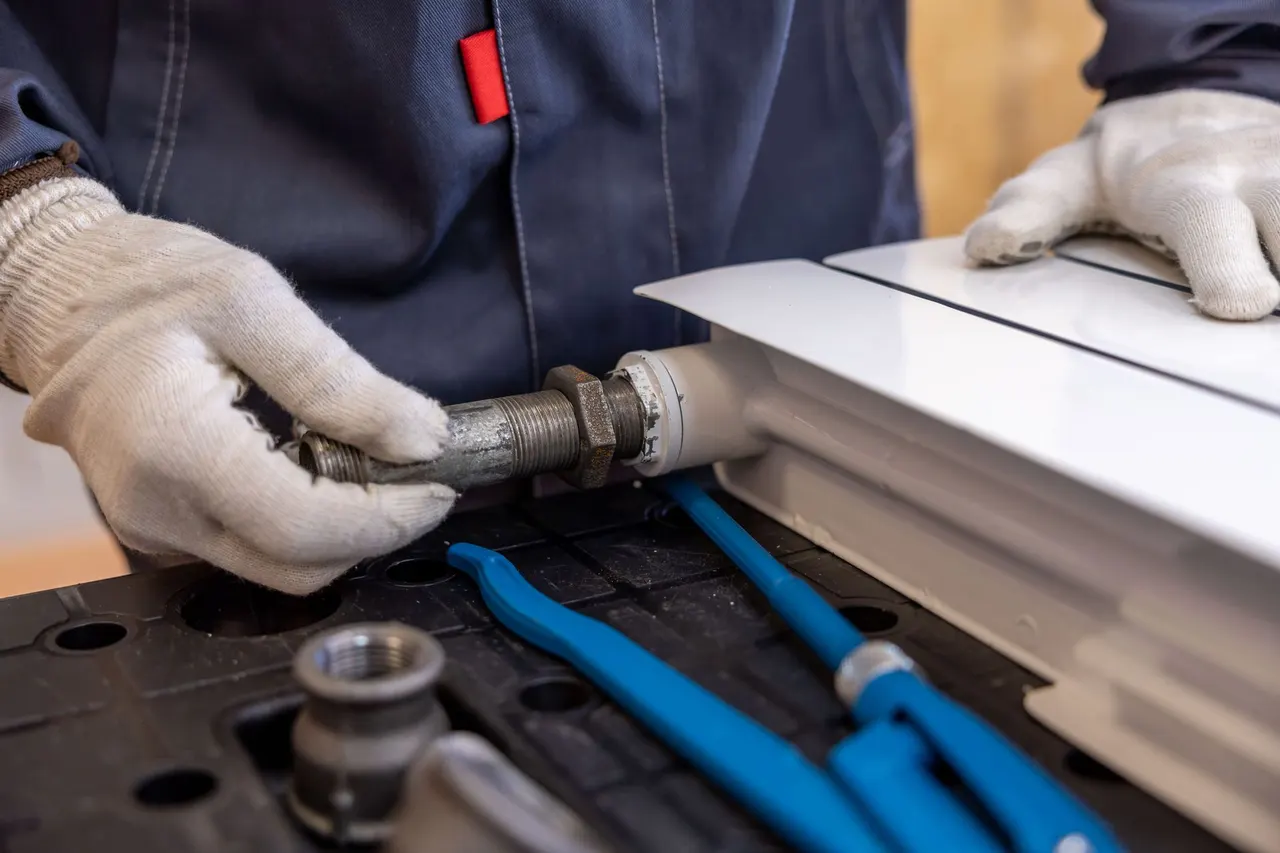
We have you shut off the main, then check the exterior wall run behind the sink. We thaw the line gradually and inspect for cracks before water flows again. Water returns at normal pressure, and the exposed section is identified for insulation.
We thaw the garage line with controlled heat, check for splits and add protection to the exposed pipe so it stays above freezing. The sink works and the garage line has a plan for the next cold night.
We locate the frozen run, thaw it and inspect for cracks. If a section is split, we replace it and test the line before restoring service. The bathroom has water again, and the owner knows which wall needs protection.
Frozen pipe repair in York follows the weather. When temperatures drop below 32 degrees Fahrenheit, supply lines in unheated basements, garages, crawl spaces and exterior walls are the first to freeze. York Water, the local water utility, advises hiring a licensed plumber to thaw frozen pipes when water stops or only trickles, and recommends insulating or heat-taping pipes in unheated areas. The utility also notes that it owns the water meter, while the customer is responsible for protecting the meter from freezing. We follow the same thinking: find the exposed run, thaw it carefully and protect it. Because plumbing permits depend on the address, a repair that needs one in the City of York goes through the Bureau of Permits and Inspections, while a township address follows its own office. Long-tail questions like what to do about a frozen pipe in York come down to shutting off the main and calling a plumber before the pipe splits.
Older attached buildings may have supply lines near exterior walls, where cold can reach pipes even when the rest of the building feels warm.
Homes with garages and finished basements may have pipes running through unheated spaces that freeze during a hard cold snap.
Rural and suburban lots can mean longer service lines and outdoor spigots, which are common freeze spots before winter protection is in place.
Pipes in unheated spaces and exterior walls are first to freeze, so we inspect those runs first when water stops during a cold snap.
The meter belongs to York Water, but protecting it from freezing is the customer's responsibility. Insulating the meter area helps prevent trouble.
The kitchen faucet gives a trickle after a night below freezing. The supply line runs along an exterior wall, and the cabinet below feels colder than the rest of the room.
The line is thawed gradually, inspected for cracks and found intact. Water pressure returns to normal, and the exposed section is wrapped to reduce future freeze risk.
Maintenance: Open the cabinet door on cold nights so warm room air reaches the pipe, and consider insulating the exterior wall run.
A supply line in the garage froze and the utility sink has no water. The pipe is cold and has a layer of frost on its surface.
The frozen section is thawed and a small crack is found and replaced. The line passes a pressure test, and heat cable is advised for the exposed section.
Maintenance: Check the heat cable before winter each year and keep garage doors closed during hard freezes.
The upstairs bathroom has no water after a cold weekend. The branch line runs through an exterior wall that is cold to the touch.
The frozen branch is thawed and checked for splits. No cracks are found, water returns to the fixtures and the wall run is identified for added insulation.
Maintenance: Add insulation in the wall cavity if it is accessible, and let the faucet drip during extreme cold if the run has frozen before.
Frozen pipe repair in York covers a few common situations. Each one carries a different risk if you wait, and each calls for a slightly different approach to thawing and repair.
A single dead fixture usually means a frozen branch line, which can crack if it continues to freeze and thaw. We follow the branch from the fixture back to the cold spot, thaw it gradually and inspect it. If it is cracked, we repair that section and restore water to the fixture.
A trickle means ice is partly blocking the pipe, and pressure behind the blockage can crack the line. We shut off the main, find the blockage and thaw the line carefully. Then we check for damage and make sure water flow returns to normal at every fixture on that run.
Repeated freezing weakens the pipe and increases the chance of a split during the next cold snap. We repair any damage and then address the exposure itself. Insulation, heat cable or relocating the run may be recommended so the same pipe is not frozen again.
Quoted per job after inspection
Frozen pipe repair in York is quoted per job, because a thaw with no damage is a very different job from a thaw that reveals a split. In 2026 pricing, the main drivers are access to the frozen section, how long it takes to thaw and whether any pipe needs replacing. We give you the price after we find where the freeze is.
Thawing and inspecting a line costs far less than repairing a flooded wall. Catching a crack with the water off is the most economical result you can get from a freeze.
A frozen pipe in an open garage or basement is easier to reach than one behind a finished wall. More access work means more time on the job.
A short blockage thaws faster than a long frozen run. Longer sections need more time and more inspection.
If the pipe split, we replace the damaged section. That adds materials and labor to what would otherwise be a thaw-only visit.
Adding insulation or heat cable to the exposed run is an optional step that costs extra but reduces the chance of a repeat freeze.
A frozen pipe tells a story about the house. Where it froze, how long it stayed frozen and whether it cracked all affect the repair. We read those signs, because a pipe that freezes in a garage wall needs a different fix from one that froze under a bathroom floor. The goal is to restore water and prevent a repeat, not to thaw one pipe and leave the same exposure in place.
No water or only a slow trickle from a faucet, especially after a cold night, is the main sign. Frost on exposed pipe, strange sounds when water tries to move and a cold section of pipe also point to a freeze. If one fixture has no water but others work, the frozen run is likely close to that fixture.
A single accessible frozen section often takes an hour or two to thaw, but access and the length of the blockage change that. Thawing too fast risks damage, so we work gradually. If the pipe cracked, repair adds time. We tell you what we find once we reach the frozen section.
You can try gentle heat, such as warm air, but never use open flame or a torch. Keep the faucet open so melting water can escape, and shut off the main if you see a crack. If the pipe is inside a wall or you are unsure, call a plumber before it splits.
No. Many frozen pipes thaw without splitting, but the risk is real because water expands about 9 percent as it freezes. A pipe can also crack and only leak once the ice melts. That is why we inspect the line during and after thawing instead of assuming it survived.
Not seeing your question? Our local team can help you understand urgency, scheduling and what to expect.
Ask the local teamIf the thaw reveals a split, the job becomes an emergency repair. We cut out the cracked section, replace it and test the line so water can safely be restored to your home.
View service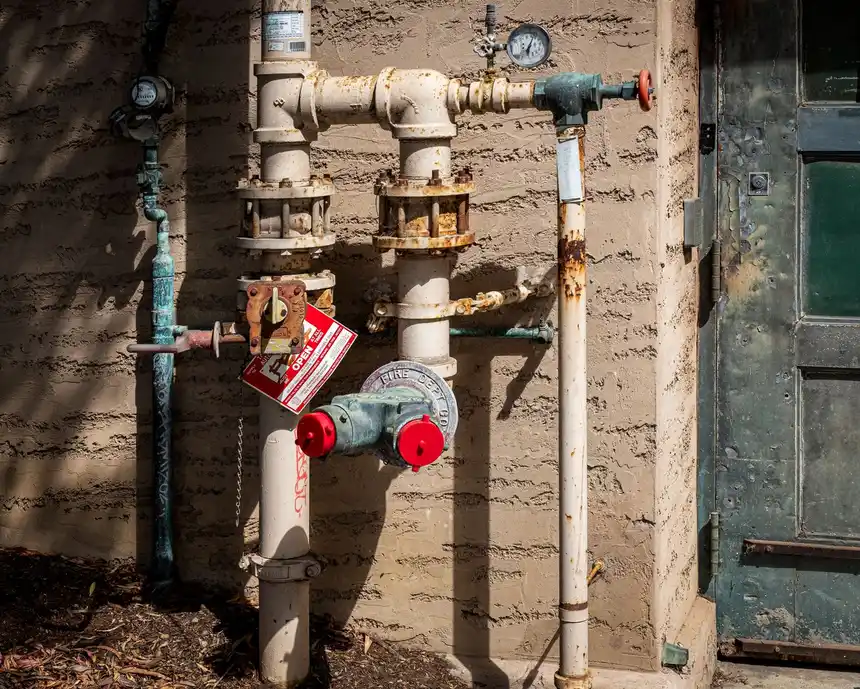
Some freeze damage appears as a pinhole or weeping joint after the pipe thaws. We locate and repair these small leaks before they soak into drywall or insulation.
View service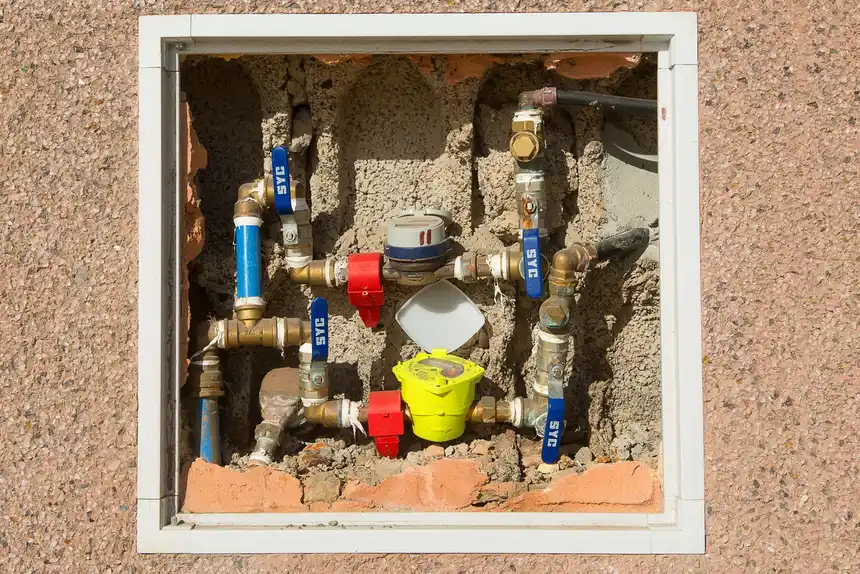
If the same wall or crawl space keeps freezing and splitting, replacing and rerouting the run may be the lasting solution. We explain when that makes sense.
View serviceA frozen pipe is a reminder to know where your valves are. If the main or fixture valve is stiff or leaking, replacing it makes it easier to stop water fast during a freeze.
View serviceCall (717) 550-0504 and tell us what you are seeing: where the water is, what the pipe is made of and whether you have shut off the main. The sooner we know, the sooner we can plan the repair. We serve York and the surrounding townships in York County, Pennsylvania.